
Personalized Mental Health Treatment in Ohio
Evidence-Based Mental Health Services Designed Around You
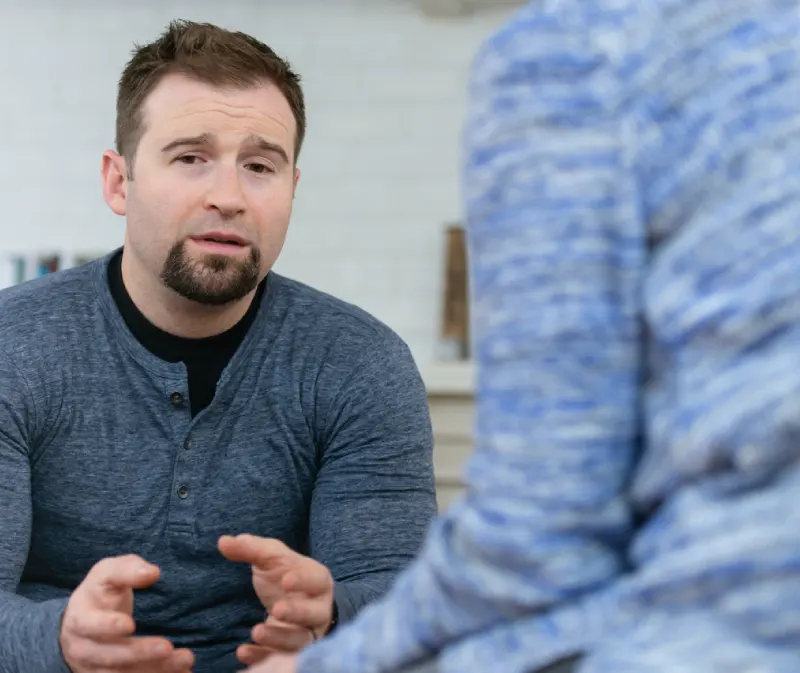
Living with a mental health condition can affect every aspect of life, from your relationships and career to your physical health, sleep, and overall well-being. Symptoms like persistent anxiety, depression, emotional exhaustion, or overwhelming stress can make daily life increasingly difficult, but effective treatment can help.
At Legacy Healing Center Ohio, we provide personalized mental health treatment for depression, anxiety, bipolar disorder, PTSD, trauma, OCD, personality disorders, mood disorders, and other complex mental health conditions. Our multidisciplinary team combines evidence-based therapy, psychiatric care, medication management when appropriate, and individualized support to help clients achieve lasting recovery.
Whether you’re seeking help for yourself or a loved one, this guide explains how mental health treatment works, when professional care may be appropriate, and what to expect throughout recovery.
Looking for a Mental Health Treatment Center in Ohio?
Searching for a mental health treatment center often means you’ve reached a point where weekly therapy, medication, or coping on your own is no longer enough. Whether symptoms are affecting your work, relationships, daily life, or a loved one encouraged you to seek help, you’re likely looking for real answers and lasting relief.
At Legacy Healing Center Ohio, we provide personalized mental health treatment for depression, anxiety disorders, bipolar disorder, PTSD, trauma, OCD, personality disorders, mood disorders, and co-occurring mental health and substance use disorders. Our multidisciplinary team of psychiatrists, licensed therapists, and behavioral health professionals creates individualized treatment plans based on your diagnosis, symptoms, history, and goals.
No two people experience mental health conditions the same way, so treatment shouldn’t be one-size-fits-all. Our goal extends beyond symptom management to help you build healthier coping skills, strengthen relationships, regain confidence, and achieve long-term emotional wellness.

What Makes Professional Mental Health Treatment Different From Weekly Therapy?

Weekly therapy can be highly effective for many mental health conditions. But when symptoms begin interfering with your work, relationships, physical health, or daily life, a more comprehensive level of care may provide the additional support needed to make meaningful progress. When this happens, weekly therapy alone may no longer provide the level of support needed.
Professional mental health treatment offers a more comprehensive approach by combining multiple services into one coordinated plan, which may include:
- Psychiatric evaluation and medication management
- Individual and group therapy
- Family therapy and skills development
- Wellness services and ongoing progress monitoring
Unlike traditional outpatient care, where providers often work independently, a mental health treatment center brings psychiatrists, therapists, and behavioral health professionals together to continually evaluate your progress, adjust treatment when needed, and ensure every aspect of your care supports the same recovery goals. This collaborative model is especially beneficial for individuals with complex mental health conditions, multiple diagnoses, or co-occurring substance use disorders.

How Do You Know When It’s Time to Seek Professional Mental Health Treatment?
Many people delay seeking mental health treatment because they believe their symptoms “aren’t serious enough” or assume they’ll improve once life becomes less stressful. While occasional stress, sadness, or anxiety are normal, persistent symptoms that interfere with daily life deserve professional attention.
Rather than asking whether your symptoms are “bad enough,” ask whether they’re preventing you from living the life you want. Early treatment can help reduce symptom severity, improve quality of life, and prevent mental health conditions from becoming more difficult to manage.
Professional mental health treatment may be appropriate if you relate to any of the following:
You no longer feel like yourself.
Perhaps you’ve become emotionally numb, constantly overwhelmed, unusually irritable, or disconnected from the people and activities you once enjoyed. Friends or family may have noticed changes in your personality long before you recognized them yourself.
Your symptoms are affecting your ability to function.
Mental health conditions often extend far beyond emotional distress. You may struggle to concentrate at work, keep up with school, maintain relationships, manage household responsibilities, or make everyday decisions that once felt routine.
You're relying on unhealthy ways to cope.
Your symptoms continue to worsen.
Mental health conditions don’t always remain stable. Anxiety can become panic attacks. Chronic stress can contribute to depression. Trauma symptoms may intensify months or years after the original event. What begins as occasional emotional distress can gradually affect nearly every aspect of daily life if left untreated.
You've started wondering whether you need more help.
You've tried to manage things on your own but failed.
Perhaps you’ve become emotionally numb, constantly overwhelmed, unusually irritable, or disconnected from the people and activities you once enjoyed. Friends or family may have noticed changes in your personality long before you recognized them yourself.
Mental health conditions often extend far beyond emotional distress. You may struggle to concentrate at work, keep up with school, maintain relationships, manage household responsibilities, or make everyday decisions that once felt routine.
Some individuals begin withdrawing from loved ones. Others overwork, oversleep, emotionally shut down, or increasingly rely on alcohol, prescription medications, or other substances to manage anxiety, depression, or trauma. These coping strategies often provide temporary relief while allowing underlying conditions to become more difficult to treat.
Mental health conditions don’t always remain stable. Anxiety can become panic attacks. Chronic stress can contribute to depression. Trauma symptoms may intensify months or years after the original event. What begins as occasional emotional distress can gradually affect nearly every aspect of daily life if left untreated.
Many people spend months questioning whether treatment is necessary before making the first phone call. Simply asking that question often reflects an awareness that your current approach may no longer be providing the support you need.
What Happens When You Contact Legacy Healing Center?
Taking the first step toward mental health treatment can feel overwhelming, especially if you’re unsure what to expect or whether you need professional care. At Legacy Healing Center Ohio, our admissions process is designed to answer your questions, explain your options, and guide you through every step. It begins with a conversation, not a commitment.
From your first phone call, our admissions specialists take the time to understand your situation, answer your questions, and determine whether our mental health services are the right fit for your needs. If another level of care or resource would better support your recovery, we’ll explain those options as well. Our goal is to help you make an informed decision, not simply enroll in a program.
During your conversation, we’ll discuss your symptoms, previous mental health treatment, current medications, insurance coverage, and any immediate concerns that may need urgent attention. If you’re calling for a loved one, we’ll also explain how family members can support treatment while respecting privacy and confidentiality.

If you decide to move forward, we’ll guide you through every next step, including verifying your insurance, scheduling your clinical assessment, answering logistical questions, and preparing for admission if appropriate. You’ll always know what to expect, why it matters, and who will be helping you along the way.
From your first phone call, our admissions specialists take the time to understand your situation, answer your questions, and determine whether our mental health services are the right fit for your needs. If another level of care or resource would better support your recovery, we’ll explain those options as well. Our goal is to help you make an informed decision, not simply enroll in a program.
During your conversation, we’ll discuss your symptoms, previous mental health treatment, current medications, insurance coverage, and any immediate concerns that may need urgent attention. If you’re calling for a loved one, we’ll also explain how family members can support treatment while respecting privacy and confidentiality.
If you decide to move forward, we’ll guide you through every next step, including verifying your insurance, scheduling your clinical assessment, answering logistical questions, and preparing for admission if appropriate. You’ll always know what to expect, why it matters, and who will be helping you along the way.

Your Comprehensive Mental Health Assessment: Understanding the Person Behind the Symptoms
Your mental health assessment is more than a conversation about your symptoms. It’s a comprehensive evaluation that helps your clinical team understand what’s contributing to your mental health and determine the treatment approach most likely to help.
During your assessment, we’ll discuss:
- Your current symptoms and when they began
- How they’re affecting your work, relationships, and daily life
- Previous treatment, medications, and what has or hasn’t helped
- Your medical history, family history, and any substance use
- Life experiences, including trauma, chronic stress, or grief
Because many mental health conditions share similar symptoms, a thorough assessment also helps identify underlying issues that might otherwise be overlooked, allowing treatment to address the root causes of emotional distress, not just the symptoms.
What Does a Comprehensive Mental Health Evaluation Include?
Every person’s assessment is unique, but comprehensive evaluations generally explore multiple aspects of physical, emotional, psychological, and social health. Rather than relying on a single questionnaire or brief interview, clinicians gather information from several perspectives to develop a complete understanding of your needs.
Current Symptoms and Emotional Health
The assessment begins with the concerns that brought you to treatment.
Clinicians discuss the symptoms you’re experiencing, how often they occur, how severe they’ve become, and how they affect your everyday life. This may include persistent sadness, anxiety, panic attacks, racing thoughts, mood swings, intrusive memories, obsessive thoughts, compulsive behaviors, emotional numbness, irritability, difficulty concentrating, changes in sleep or appetite, or thoughts of self-harm.
Equally important is understanding how these symptoms interfere with work, school, relationships, parenting, decision-making, and your ability to enjoy life.
Personal and Family Mental Health History
Mental health rarely develops in isolation. Your clinicians will explore previous diagnoses, prior therapy experiences, psychiatric hospitalizations, medications you’ve taken, and whether those treatments helped, caused side effects, or failed to improve your symptoms.
Family history is also important. Certain conditions, including depression, bipolar disorder, anxiety disorders, and schizophrenia, can have genetic components that help clinicians better understand potential risk factors and treatment considerations.
Trauma and Significant Life Experiences
Trauma extends far beyond major catastrophic events. Many individuals have experienced chronic stress, childhood adversity, emotional neglect, abuse, grief, relationship violence, military service, serious illness, or other experiences that continue to influence their mental health years later. Others may not initially recognize that certain life events have contributed to their current symptoms.
Understanding these experiences helps clinicians determine whether trauma-informed therapies should become an important part of your treatment plan.
Physical Health and Medical Considerations
Mental and physical health constantly influence one another. Medical conditions, chronic pain, neurological disorders, hormonal changes, nutritional deficiencies, sleep disorders, and certain prescription medications can all contribute to emotional symptoms or complicate existing psychiatric conditions.
Reviewing your overall health allows your treatment team to recognize potential medical contributors while coordinating care when additional evaluation is needed.
Substance Use Screening
Many people seeking mental health treatment also use alcohol or other substances to manage difficult emotions, even if they don’t consider themselves to have an addiction.
Because alcohol, cannabis, stimulants, opioids, benzodiazepines, and other substances can worsen psychiatric symptoms or interfere with treatment, clinicians evaluate whether substance use may be affecting your mental health.
Mental Health Conditions We Treat
Mental health conditions often overlap, change over time, and don’t always fit neatly into a single diagnosis. A professional evaluation helps identify how your symptoms interact so your treatment can be tailored to your unique needs. Rather than treating a diagnosis alone, we focus on the whole person to improve emotional health, daily functioning, and long-term well-being.
At Legacy Healing Center Ohio, we provide personalized care for a wide range of mental health conditions, including:
Depression Treatment
Depression affects far more than mood—it can change the way you think, sleep, eat, work, and connect with others. Symptoms vary widely, from persistent sadness and emotional numbness to fatigue, insomnia, loss of interest, or difficulty finding hope for the future.
Because depression has many possible causes, including biology, trauma, chronic stress, grief, and substance use, treatment should be personalized. Depending on your needs, care may include CBT, interpersonal or trauma-focused therapy, psychiatric evaluation, medication management, and other evidence-based approaches that evolve as you progress.
Anxiety Disorder Treatment
Anxiety disorders involve more than everyday stress—they cause persistent fear, worry, or physical symptoms that interfere with daily life. Some people experience constant overthinking, while others struggle with panic attacks, social anxiety, or a fear of worst-case scenarios that can make work, relationships, and routine activities feel overwhelming.
Treatment helps break the cycle of anxiety through evidence-based therapies, medication when appropriate, mindfulness, relaxation techniques, and practical coping strategies that build confidence and reduce symptoms over time.
Trauma and PTSD Treatment
Trauma affects everyone differently. While some people develop PTSD, others experience anxiety, depression, emotional numbness, hypervigilance, sleep problems, or difficulty trusting others—sometimes months or years after the traumatic event.
Our trauma-informed approach focuses on helping clients feel safe while building coping skills, improving emotional regulation, and processing traumatic experiences through evidence-based therapies such as EMDR, Cognitive Processing Therapy (CPT), and Trauma-Focused CBT. Because trauma often occurs alongside other mental health or substance use disorders, we treat the whole person, not just the trauma itself.
Bipolar Disorder Treatment
Bipolar disorder involves more than mood swings. It causes recurring episodes of depression alongside periods of elevated mood, increased energy, impulsivity, or reduced need for sleep that can affect relationships, work, and decision-making.
Because bipolar disorder is often mistaken for depression, an accurate diagnosis is essential. Treatment typically combines medication management, psychotherapy, education, and relapse prevention to promote long-term emotional stability and help individuals recognize early warning signs.
Obsessive-Compulsive Disorder (OCD) Treatment
Obsessive-compulsive disorder (OCD) is far more than being organized or detail-oriented. It involves intrusive, distressing thoughts followed by compulsive behaviors or mental rituals that can disrupt work, relationships, and daily life.
OCD is highly treatable. Evidence-based care, particularly Exposure and Response Prevention (ERP), along with medication when appropriate, can help reduce obsessive thoughts, break compulsive behaviors, and restore daily functioning.
Personality Disorder Treatment
Personality disorders affect how people regulate emotions, view themselves, and relate to others, often creating challenges in relationships, work, and daily life. Conditions such as Borderline Personality Disorder (BPD) can involve intense emotions, impulsivity, and fear of abandonment, but each person’s experience is unique.
With evidence-based treatments such as Dialectical Behavior Therapy (DBT), Cognitive Behavioral Therapy (CBT), and other specialized approaches, many people learn healthier coping skills, improve relationships, and build lasting emotional stability.
Panic Disorder and Severe Anxiety Conditions
A panic attack can be one of the most frightening experiences a person ever has. Many people describe feeling as though they’re having a heart attack, losing control, or even dying. After repeated panic attacks, it’s common to begin avoiding situations where another episode might occur.
Through evidence-based therapy, gradual exposure techniques, education about the body’s stress response, and psychiatric care when appropriate, individuals learn that panic symptoms, while intensely uncomfortable, are highly treatable.
Dual Diagnosis: When Mental Health and Substance Use Occur Together
Mental health conditions and substance use disorders often occur together, with each one capable of worsening the other. People may turn to alcohol or drugs to cope with anxiety or depression, but over time, substance use can intensify symptoms and make recovery more difficult.
At Legacy Healing Center Ohio, we treat both conditions together through integrated psychiatric care, therapy, medication management, and addiction treatment when needed, creating a more complete path to long-term recovery.
Mood Disorders Beyond Depression
Some individuals experience persistent depressive disorder (dysthymia), where lower-grade symptoms continue for years. Others experience seasonal affective disorder (SAD), premenstrual dysphoric disorder (PMDD), cyclothymic disorder, or mood disturbances related to medical conditions or significant life changes.
Although these conditions differ in presentation, they often have one thing in common: they interfere with a person’s ability to function and enjoy life.
A comprehensive evaluation helps clinicians identify the underlying causes of mood changes while distinguishing between conditions that may initially appear very similar.
Your Diagnosis Is Only the Beginning
A mental health diagnosis can provide answers, but it doesn’t define who you are or determine your future. It’s simply a clinical tool that helps guide the most effective treatment.
As your clinicians learn more about your symptoms and progress, your diagnosis and treatment plan may evolve. Our goal is always the same: to help you improve your emotional well-being, relationships, daily functioning, and overall quality of life through personalized, evidence-based care.

Psychiatric Care and Medication Management
For many individuals, one of the most important questions about mental health treatment is whether medication will be part of their recovery.
The answer is rarely as simple as yes or no.
Medication can be an effective part of treatment for conditions such as depression, bipolar disorder, anxiety, OCD, and PTSD, but it’s not the right choice for everyone. Some people improve with therapy alone, while others benefit most from combining therapy with medication.
Psychiatric care begins with a comprehensive evaluation and continues throughout treatment, allowing providers to monitor your progress, manage side effects, and adjust medications as needed. Medication is always considered one part of a personalized treatment plan, not a replacement for therapy, healthy coping skills, or long-term lifestyle changes.
Individual Therapy: Understanding the Patterns Behind Your Symptoms

Individual therapy provides a safe, one-on-one setting to explore the thoughts, emotions, and experiences contributing to your mental health. Together, you and your therapist identify underlying patterns, develop healthier coping strategies, and build practical skills to manage life’s challenges.
As treatment progresses, many clients experience benefits that extend beyond symptom relief, including:
- Greater confidence and self-awareness
- Healthier relationships and communication
- Stronger emotional resilience and decision-making
- A greater sense of purpose and well-being

Group Therapy: Learning That You Don't Have to Face Mental Health Challenges Alone
Many people are surprised by how beneficial group therapy becomes. While it’s common to feel nervous about sharing personal experiences, many clients quickly realize they’re not alone, and hearing others with similar struggles can be validating, encouraging, and empowering.
Led by licensed clinicians, group therapy provides a supportive environment to practice communication skills, learn healthy coping strategies, gain new perspectives, and build meaningful connections that reduce isolation and support lasting recovery.
Evidence-Based Therapies That Personalize Mental Health Treatment
Therapy isn’t one-size-fits-all. The most effective approach depends on your diagnosis, symptoms, life experiences, and recovery goals. At Legacy Healing Center Ohio, we personalize treatment by selecting evidence-based therapies that best fit your unique needs.
“The most effective therapy isn’t about finding one technique that works for everyone. It’s about understanding which evidence-based approaches fit each person’s unique experiences, strengths, and recovery goals, and being willing to adjust that approach as recovery unfolds.”, Dr. Ash Bhatt, MD, FASAM, MRO
Cognitive Behavioral Therapy (CBT)
Cognitive Behavioral Therapy (CBT) is one of the most effective treatments for depression, anxiety, PTSD, OCD, panic disorder, and many other mental health conditions.
CBT helps you understand how your thoughts, emotions, and behaviors influence one another. During therapy, you’ll learn to identify unhelpful thinking patterns, challenge them with healthier perspectives, and develop practical coping skills you can use in everyday life. The goal is to create lasting changes that continue supporting your mental health long after treatment ends.
Dialectical Behavior Therapy (DBT)
Dialectical Behavior Therapy (DBT) helps people who experience intense emotions, impulsive behaviors, or difficulty managing relationships. Originally developed for Borderline Personality Disorder (BPD), it’s also highly effective for trauma, chronic emotional distress, and other conditions involving emotional dysregulation.
DBT teaches four core skills: mindfulness, emotional regulation, distress tolerance, and healthy communication. Instead of trying to eliminate difficult emotions, you’ll learn how to manage them in healthier ways, respond more calmly to stress, and build stronger, more stable relationships.
Trauma-Focused Therapies
Trauma therapy does more than help people talk about painful experiences—it helps them heal from them. Because trauma can affect emotions, relationships, memory, and the body’s stress response, treatment is carefully tailored to each person’s needs.
Depending on your symptoms and experiences, therapy may include EMDR, Cognitive Processing Therapy (CPT), Trauma-Focused CBT (TF-CBT), or other evidence-based approaches. Treatment moves at a pace that’s right for you, building coping skills and emotional stability before processing traumatic memories more deeply.
Acceptance and Commitment Therapy (ACT)
Acceptance and Commitment Therapy (ACT) helps people stop struggling against difficult thoughts and emotions. Instead of trying to eliminate them, ACT teaches you how to accept them, stay present, and make choices that align with your values and long-term goals.
This approach can increase psychological flexibility, reduce avoidance, and help you build a more meaningful, fulfilling life, even when difficult emotions are still present.
Motivational Interviewing
Motivational Interviewing (MI) helps people work through uncertainty about change. Instead of pressuring clients, therapists use supportive conversations to strengthen motivation, build confidence, and help individuals identify their own reasons for recovery.
MI is especially effective for people with co-occurring mental health and substance use disorders, where uncertainty can be a major barrier to recovery.

Recovery Happens Through the Right Combination of Services
No single therapy, medication, or clinical service defines successful mental health treatment. Meaningful recovery happens when each part of care works together toward the same goal.
Psychiatric care helps stabilize symptoms. Individual therapy explores the underlying causes of emotional distress. Group therapy reduces isolation while strengthening interpersonal skills. Family therapy rebuilds support systems. Holistic wellness promotes healthier daily habits. Evidence-based therapies provide practical tools for lasting change.
When these services are carefully integrated and continually adjusted to meet your evolving needs, treatment becomes more than symptom management, it becomes a pathway toward greater resilience, healthier relationships, renewed confidence, and a life that feels increasingly manageable again.

How Do You Know if Mental Health Treatment Is Actually Working?

Most people experience meaningful improvements alongside occasional setbacks or stressful life events.
At Legacy Healing Center Ohio, we don’t rely solely on asking, “How have you been feeling?” We continually evaluate progress by looking at meaningful changes such as:
- Reduced symptom severity
- Improved daily functioning at home, work, or school
- Better sleep, mood, and emotional regulation
- Healthier relationships and communication
- Progress toward your personal recovery goals
Recovery isn’t defined by one good day or one difficult week—it’s measured by consistent progress over time.
Your Treatment Plan Should Continue to Evolve
Another hallmark of effective mental health care is flexibility.
The treatment plan created during your first week isn’t expected to remain exactly the same months later.
As recovery progresses, new priorities often emerge.
Someone who initially needs intensive support for severe depression may later focus on rebuilding relationships, returning to work, improving confidence, or managing everyday stress more effectively. A client recovering from trauma may first spend time developing emotional regulation skills before beginning more specialized trauma processing therapies. Medication that was appropriate early in treatment may eventually require adjustment, or may no longer be necessary.
Rather than following a rigid schedule, your clinical team continually reviews your progress and asks whether the current approach remains the most effective one for your needs.
Personalized care doesn’t end after admission.
In many ways, that’s when it truly begins.
Mental Health and Addiction Often Affect One Another

Mental health conditions and substance use disorders often occur together, with each one capable of worsening the other. Someone struggling with anxiety, depression, or trauma may turn to alcohol or drugs for temporary relief, but over time these substances can disrupt brain chemistry, intensify symptoms, and make recovery more difficult.
The relationship also works in reverse. Long-term substance use can contribute to depression, anxiety, panic attacks, mood instability, cognitive changes, and other mental health symptoms that may persist long after intoxication.
Because these conditions are so closely connected, effective treatment must address both at the same time. Treating only one often leaves the other unresolved, increasing the risk of ongoing symptoms and relapse.
How Long Does Mental Health Treatment Last?
There isn’t a single timeline that fits everyone. The length of treatment depends on your symptoms, diagnosis, treatment goals, and how you respond to care. Rather than following a fixed schedule, your clinical team regularly evaluates your progress and recommends the right time to transition to the next level of care.
What Recovery Often Looks Like
Weeks 1–2
Comprehensive assessment, stabilization, psychiatric evaluation, symptom management, and development of a personalized treatment plan.
Weeks 2–6
Months 2–6
Long-Term
Ongoing outpatient therapy, psychiatric follow-up, relapse prevention, and continued support to maintain emotional wellness and long-term recovery.
Does Insurance Cover Mental Health Treatment?
Many people delay treatment because they’re unsure what their insurance will cover. The good news is that many private health insurance plans include benefits for medically necessary mental health services, though coverage varies by plan.
Our admissions team will verify your insurance benefits, explain your coverage, identify any prior authorization requirements, and review potential out-of-pocket costs before treatment begins whenever possible. If you don’t have insurance or need additional payment options, we’ll help you understand the financial choices available so you can make an informed decision.

Why Choose Legacy Healing Center for Mental Health Treatment in Ohio?
Choosing a mental health treatment center is an important decision. At Legacy Healing Center Ohio, we provide personalized, evidence-based care that adapts to your unique symptoms, experiences, and recovery goals—not a one-size-fits-all program.
From your initial assessment through aftercare planning, our multidisciplinary team works together to help you build healthier coping skills, improve daily functioning, and achieve lasting emotional wellness.
A Collaborative Team Focused on the Whole Person
Mental health conditions often affect many areas of life, including physical health, relationships, work, and daily functioning. That’s why our psychiatrists, therapists, nurses, behavioral health professionals, and case managers work together to provide one coordinated treatment plan, continually evaluating your progress and adjusting care to support your unique recovery goals.
Evidence-Based Care With Compassionate Support
Effective mental health treatment combines evidence-based care with genuine compassion. At Legacy Healing Center Ohio, our clinicians use proven therapies for conditions such as depression, anxiety, PTSD, bipolar disorder, OCD, and personality disorders while creating a supportive environment where clients feel heard, respected, and empowered to fully engage in their recovery.
A Collaborative Team Focused on the Whole Person
Mental health conditions often affect many areas of life, including physical health, relationships, work, and daily functioning. That’s why our psychiatrists, therapists, nurses, behavioral health professionals, and case managers work together to provide one coordinated treatment plan, continually evaluating your progress and adjusting care to support your unique recovery goals.
Evidence-Based Care With Compassionate Support
Effective mental health treatment combines evidence-based care with genuine compassion. At Legacy Healing Center Ohio, our clinicians use proven therapies for conditions such as depression, anxiety, PTSD, bipolar disorder, OCD, and personality disorders while creating a supportive environment where clients feel heard, respected, and empowered to fully engage in their recovery.
Begin Your Journey Toward Better Mental Health
Living with a mental health condition can make it difficult to imagine life feeling different. Depression may convince you that nothing will change. Anxiety may tell you that seeking help is too overwhelming. Trauma can make trusting others feel nearly impossible.
These experiences are real, but they don’t have to define your future.
Every day, people take the first step toward recovery by asking questions, reaching out for support, and allowing experienced professionals to help them better understand what they’re going through. For many, that single conversation becomes the beginning of meaningful change.
At Legacy Healing Center Ohio, we’re committed to providing compassionate, evidence-based mental health treatment that recognizes every person’s experiences, challenges, and goals are unique. Whether you’re exploring treatment for yourself or supporting someone you love, our team is here to answer your questions, explain your options, and help you determine the path that’s right for you.
Contact Legacy Healing Center Ohio today to speak with an admissions specialist, verify your insurance benefits, and learn how personalized mental health treatment can help you move toward lasting emotional wellness.
Frequently Asked